The Ultimate Guide to Google Local Search Ranking Factors

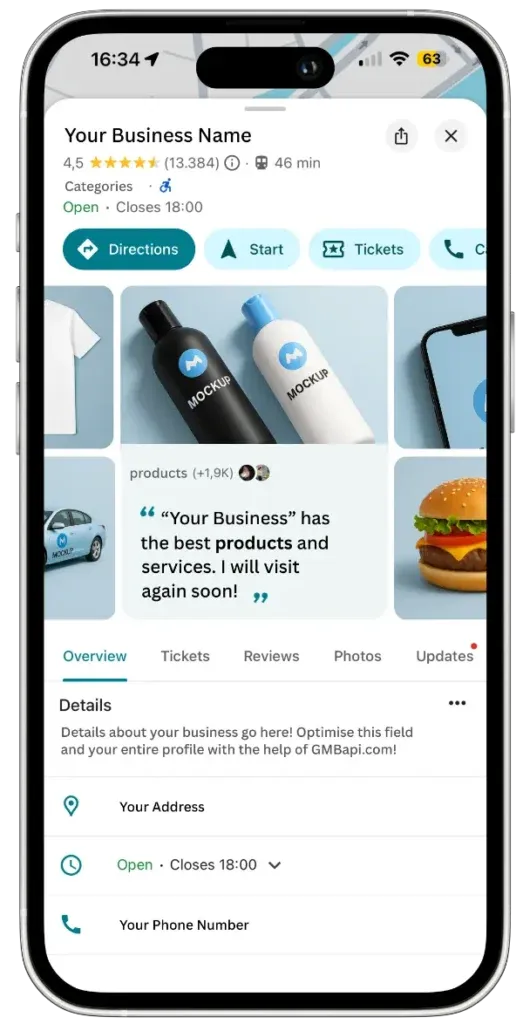
1. Google Business Profile (GBP) Optimisation
This includes:
Accurate NAP (Name, Address, Phone)
Ensure consistency across your GBP, website, and local directories.
Category Selection
Choose the most relevant categories for your business. According to a study by Moz, primary business category is one of the top-ranking factors for local pack results.
Attributes and Services
Add attributes such as wheelchair accessibility or online services, which can give you a competitive edge in search results.
2. Reviews and Reputation Management
Did you know that businesses with more reviews often rank higher? Google loves seeing authentic, positive reviews. Encourage your happy customers to leave feedback, and respond to both positive and negative reviews. This not only helps rankings but also builds trust with potential customers.
Review Quantity and Quality
Businesses with higher numbers of positive reviews rank higher. For instance, businesses with 5-star reviews are more likely to see a 28% increase in CTR.
Response to Reviews
Regularly responding to both positive and negative reviews shows engagement and can boost your rankings. In fact, for every 1% increase in your reply rate, you can see a 0.31% rise in both impressions and actions. Learn more about the impact of responding to reviews in our article.
Review Signals
According to Whitespark’s Local Search Ranking Report, review signals contribute to 17% of local pack rankings. We believe they’re one of the most crucial factors – not just for improving rankings, but also for building customer trust, and engagement, and enhancing your business’s reputation.
3. Add products and services
Services: Adding services to your GBP is a no-brainer. By listing them, you make it easier for potential customers to find your business when they search for specific services in your area. It’s a problem we can help you solve—and it’s an easy way to boost your visibility. Need more insight? Read our article on the benefits of adding services to your locations.
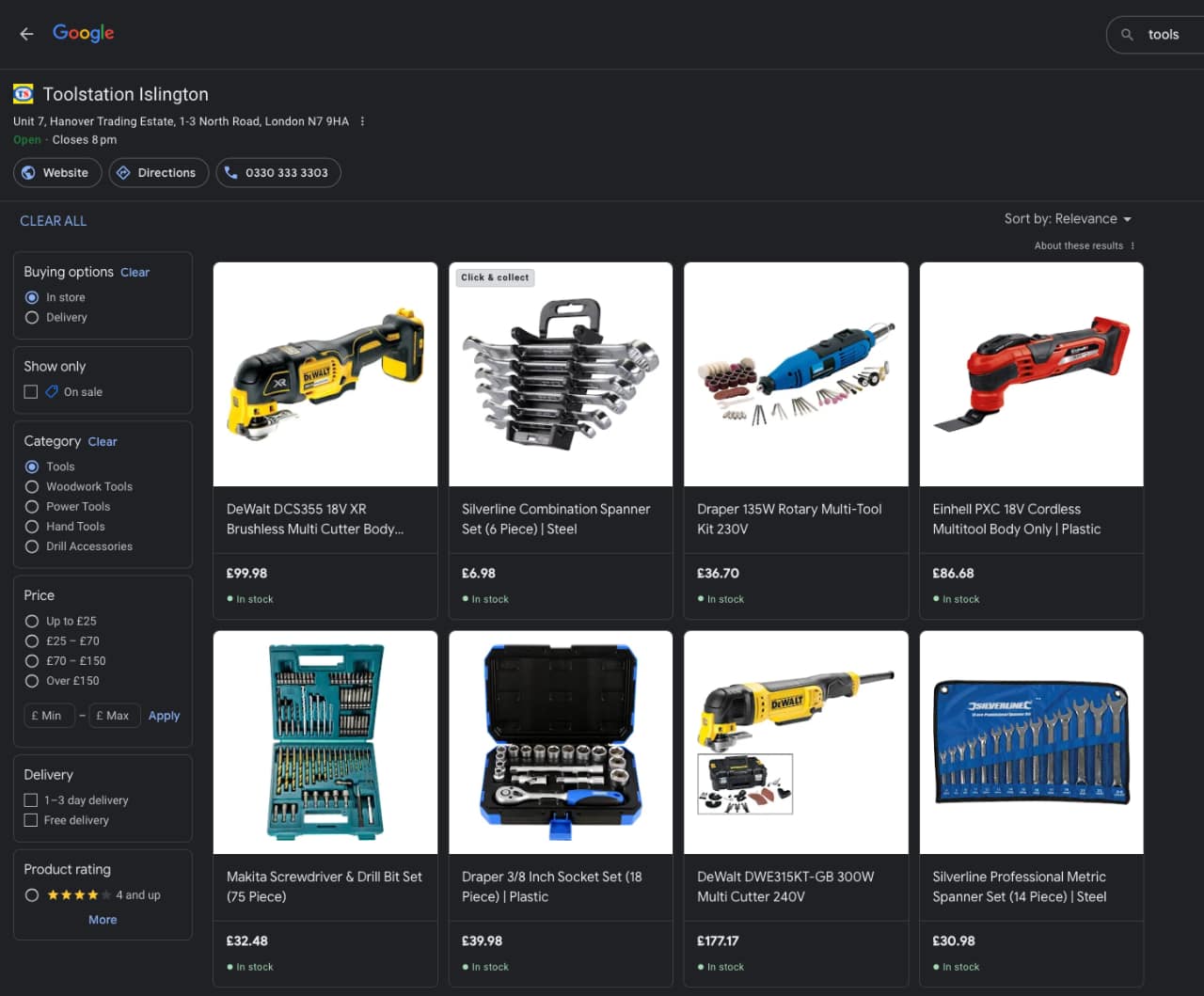
Products: Adding your products to GBP provides more opportunities for customers to find you when searching for specific items. A product listing that includes a name, description, and a clear image is attractive to potential customers and increases the chance they’ll click through to learn more. Additionally, Google now allows linking a landing page URL to each product, directing interested viewers straight to your site.
4. Keep It Fresh with Google Posts and Photos
5. On-Page SEO: Local Keywords Matter
Think of your website as your business’s home base. Google’s algorithm heavily factors in the content and structure of your website. Using
Local Keywords
Businesses that use location-based keywords in their content are more likely to rank for localised searches. For example, using “best Italian restaurant in Miami” can help rank for both “best Italian restaurant” and “Italian restaurant Miami.” It’s also essential to include relevant GBP keywords in your strategy—these play a huge role in improving local search visibility. Check out our guide on effective keyword research to make sure you’re targeting the right terms.
Mobile Optimisation
With over 60% of searches happening on mobile, a responsive, fast-loading website isn’t just nice to have—it’s crucial. Don’t miss out on potential customers by neglecting mobile optimisation.
6. Local Citations: Stay Consistent
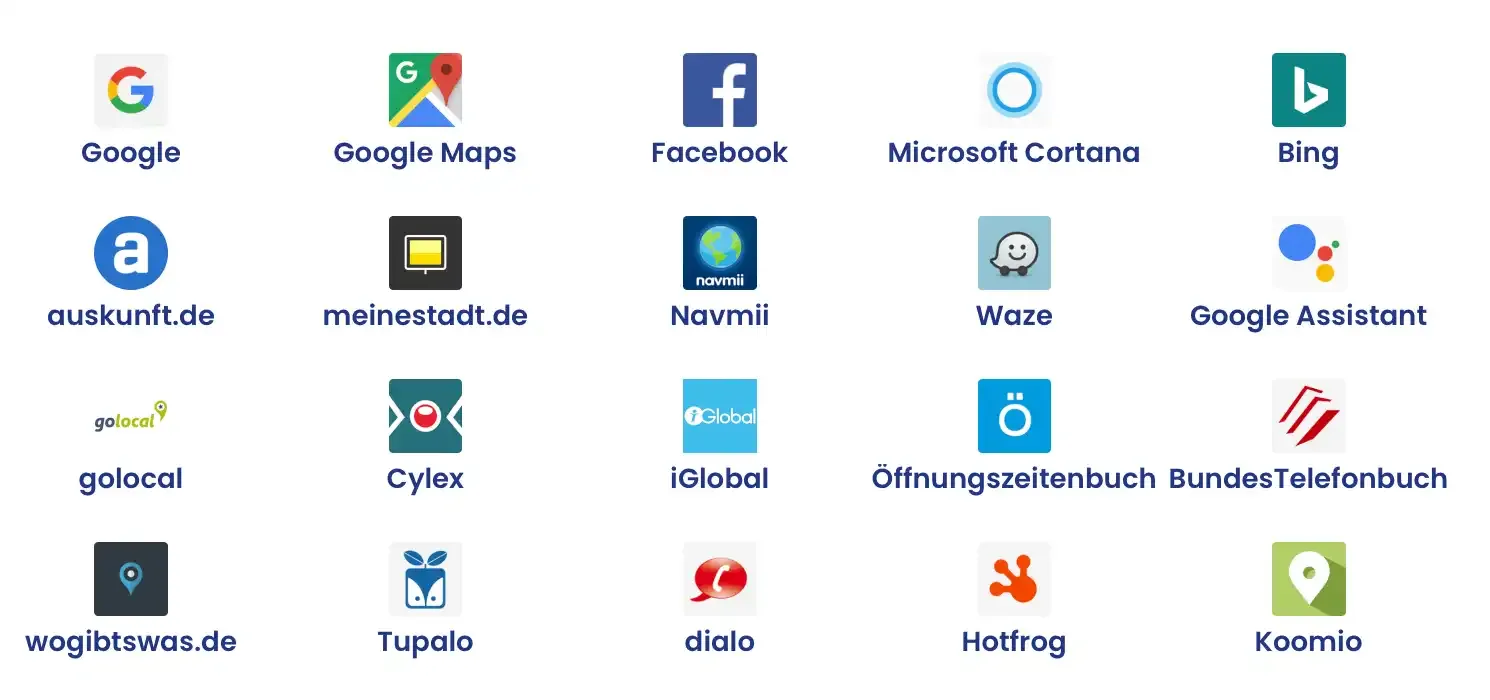
A citation is any mention of your business online, like on Yelp, Apple Maps, ChatGPT Search (Bing) or local heroes (directories, navigational or other niche players). Getting a presence on the directories that your potential customers hang out on is always a good idea.
High-Quality Citations
Consistent listings across platforms like Yelp, Apple Maps, and industry-specific directories signal reliability to Google.
Structured Data
Using schema markup on your site to specify location and business type can enhance your visibility in local searches.
7. Local Backlinks: Quality Counts
Backlinks are links from other websites pointing to yours. But not all backlinks are created equal! Google values quality backlinks from local, relevant websites over a large number of low-quality links.
Quality over Quantity
Backlinks from reputable local news sources, blogs, or chambers of commerce carry more weight than numerous low-quality links. The consensus is that the value of these backlinks has more impact on your SEO than on your Local SEO (Map pack) ranking.
Community Engagement
Sponsoring local events or organisations can lead to high-authority local backlinks.
8. Behavioural Signals: User Engagement Matters
Google tracks how people interact with your site. Do they click through to your page from search results? Do they spend time on your site or leave quickly? High engagement (click-through rates, low bounce rates) signals to Google that your site provides value. The more people engage, the better you’re likely to rank.
High CTR
Businesses that optimise for high CTR by using compelling meta descriptions and titles can improve their rankings. Google’s algorithm looks at how often people click on your site from search results.
Engagement Metrics
Low bounce rates and higher dwell times signal to Google that your website is valuable to users, positively impacting your rankings.
Conclusion
Optimising for local search is about creating a strong, consistent, and engaging online presence. Focus on your GBP, collect reviews, maintain relevant citations, and earn local backlinks to your location-specific pages. By doing this, you not only improve your rankings but also build trust within your local community. Using GMBapi can make managing your local presence easier with our AI-powered review dashboard, featuring sentiment analysis and AI assistance to decrease time wasted on responding. Plus, our bulk posting feature helps you keep your GBP fresh and engaging. Remember, local SEO is a marathon, not a sprint – keep refining your approach to stay ahead!
Share this article
Keep reading
More news, trends, and how to guides
Start growing with GMBapi.com
Leverage AI to manage reviews, bulk publish content while ensuring consistency across all your local platforms. Stay ahead by monitoring competitors & showcasing what makes you stand out.