Conquer Local Search: Multi-Location Local SEO Software for Business Growth


Managing a business with multiple locations presents a significant SEO hurdle. Each location needs to be discoverable to local customers, but juggling individual SEO strategies for franchises, enterprises, or any business with a network of branches can be overwhelming. Multi-location local SEO software emerges as the solution, streamlining efforts and amplifying your local search presence.
What is Multi-Location SEO?
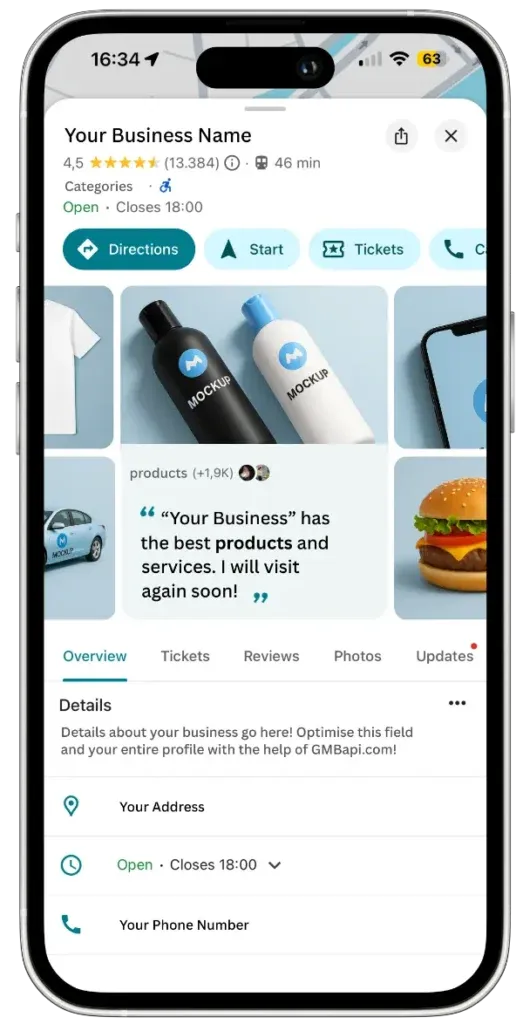
Multi-location SEO is a strategy to increase online visibility for businesses with multiple locations by optimising each location for local search. Tactics include creating and managing separate Google Business Profiles (GBP) for each area, ensuring consistent NAP (Name, Address, Phone Number) across local listings and location-specific landing pages. These pages should be optimised with local keywords and contain information like services offered, local reviews and unique features of each location.
To get even more visibility, businesses can add structured data (schema markup) to help search engines understand location details, use local content marketing to target local audiences and build backlinks from local sources (also known as local listings). Get customers to leave reviews for each location to boost local credibility. Running location-targeted PPC campaigns can also complement SEO efforts by driving targeted traffic and getting businesses visibility in local search results and more customers.
What are the Local SEO Ranking Factors?
When it comes to local search, these are the key ranking factors that determine how well a business shows up in local search results and the Map Pack. Here are:
Google Business Profile (GBP) Optimisation: A fully optimised GBP with business details (name, address, phone number), categories, services and regular updates (posts or photos) is key. Proximity to the searcher also plays a part.
NAP Consistency Across Citations: Keeping your business’s Name, Address and Phone Number (NAP) consistent across all online directories and listings helps search engines trust the business.
Customer Reviews: Positive reviews and high ratings, especially on GBP and other review platforms, matter. Engaging with reviews, both positive and negative, helps credibility.
On-Page Location Signals: Including location-specific keywords, addresses and service areas on your website pages helps search engines know where the business operates and ranks the site for local searches.
Local Backlinks: Getting links from local authority websites, news outlets or directories helps establish relevance and authority in a specific area.
Mobile Friendliness and User Experience: Most local searches happen on mobile devices so having a mobile-friendly website with fast load time and easy navigation is key to ranking well in local search.
Behavioural Signals: Click-through rates, mobile clicks to call and check-ins are taken into account by search engines as indicators of a business’s relevance and popularity in the local area.
These factors work together to improve local SEO, helping businesses rank higher in local search results and attract more nearby customers.
Why Local SEO is Crucial for Multiple Location Businesses
Local SEO isn’t a luxury; it’s a necessity for businesses with multiple locations.
Consider this : A staggering 46% of all Google searches have local intent.
Imagine a potential customer searching for the “best pizza near me.” If your pizzeria chain isn’t optimised for local search, you’re missing out on valuable foot traffic. Multi-location local SEO software empowers you to optimise each location’s online presence, ensuring your business shows up in relevant local searches for your target audience.
Benefits of Multi-Location Local SEO Software
Streamlined Location Management: Effortlessly maintain consistent NAP (Name, Address, Phone) information across all locations. This critical factor significantly impacts your local search ranking. Multi-location local SEO software often provides citation management tools, guaranteeing accurate and consistent NAP details across all relevant online directories and business listings.
Content Optimisation at Scale: Creating location-specific content that targets local keywords and audiences can be a daunting task, especially for businesses with numerous shops. Multi-location local SEO software can generate templates or provide suggestions for location-specific content, saving you time and effort while ensuring each location has content optimised for local search terms.
Enhanced Online Reputation Management: Tracking and responding to customer reviews across multiple locations is essential for building trust and credibility. Multi-location local SEO software centralises your review management efforts, allowing you to view all reviews from various platforms in one place and respond to them efficiently. Don’t just respond to negative reviews; acknowledge positive feedback and showcase your appreciation for customer loyalty.
Competitive Insights & Reporting: Gain valuable data on how each location performs in local searches compared to competitors in your local market. This enables you to identify areas for improvement and develop targeted strategies to outrank competitors. Look for software that offers robust reporting and analytics features to track progress and make data-driven decisions for each location. Analyse which locations are exceeding expectations and explore what strategies are contributing to their success. Use these insights to inform your overall local SEO approach and replicate winning tactics across all your locations.

How To Optimise Multiple Locations
Beyond the advantages offered by multi-location local SEO software, here are some additional strategies to optimise SEO for businesses with multiple locations:
Develop a Strong Local Content Strategy
Create unique and valuable content for each location, targeting local keywords and addressing the specific needs of your local audience. Highlight local events, and promotions, or include content featuring local staff to build connections with the community.
Get Listed in Local Directories
Ensure your business listings are accurate and consistent across all relevant local directories and online business listings. Many local SEO software tools offer citation management to simplify this process.
Embrace Google My Business
Claim and optimise Google My Business profiles for each location. Include high-quality photos, respond to reviews promptly, and keep your profile information up-to-date. Google My Business plays a significant role in local search ranking.
Build High-Quality Backlinks
Acquire backlinks from high-authority websites in your local area. Partner with local businesses, chambers of commerce, or influencers to earn backlinks that can boost your local SEO ranking.
Run Local PPC Campaigns
Consider running local pay-per-click (PPC) advertising campaigns to target potential customers searching for specific products or services in your local area. PPC campaigns can be a great way to gain immediate visibility and drive traffic to your local stores.
How to Measure and Audit Your Multi-Location SEO Performance
1. Track Local Keyword Appearances
This means:
Local Search Queries
Use tools like Google Search Console, and GMBapi keyword research to monitor how each location ranks. Focus on keywords that include the location, like “plumber in Manchester” or “best pizza in Glasgow” to see how well each branch is targeting its market.
Search Volume vs. Click-Through Rate (CTR)
Check how many times your local pages are showing in search results (impressions) vs how many users are clicking through to your website. If a location has high impressions but low clicks it may mean the page title or meta description needs to be more compelling or relevant to the searcher’s query.
Competitor Benchmarking
Compare your local keyword rankings with competitors in each area. This will show if a competitor is dominating the local market and where optimisation is needed.
2. Analyse Google Business Profile (GBP) Metrics with Clicks and Impressions Growth Comparison by Listing
Here are the metrics to track:
Impressions Growth
Track how many times each GBP listing shows in search results over a set period. An increase in impressions means a location is becoming more visible to local searchers. If certain locations are lagging in impressions, review their profile completeness, photos and local relevance to make sure they’re optimised.
Clicks to Website, Calls, Directions
GBP insights give you valuable data on what customers do after viewing a listing. Track clicks to the website, direct calls from the listing and requests for directions to see user engagement. Growth in these areas means customers are finding the listings relevant and taking the next step to conversion.
Compare Growth by Location
Do a side-by-side comparison of clicks and impressions for all your business locations. This will show you the high-performing locations and those that need improvement. For example, a location with high impressions but low clicks or calls might need better optimisation in the description, photos or review management to encourage more engagement.
Listing Engagement Insights
Track how often users are engaging with your GBP listings (reviews, Q&A, photos) and correlate this with growth in impressions and clicks. More engagement usually means a listing is providing valuable information and therefore better local rankings. Locations with low engagement might need more active management, such as adding fresh photos, responding to customer questions and encouraging reviews.
3. Review and Sentiment Analysis
Number and Quality of Reviews
Measure the number and quality of reviews each location is getting. More reviews with higher ratings can boost rankings and credibility. Make sure to encourage happy customers to leave reviews and respond to both positive and negative feedback quickly.
Sentiment Analysis for Reviews
Use sentiment analysis tools to look at the tone of reviews at each location. Positive sentiment often correlates with higher rankings and user engagement, negative sentiment may indicate customer service issues or areas to improve. Auditing and reviewing sentiments regularly will help you see which locations need to improve their customer experience or operational practices.
Effectively measuring and auditing your multi-location SEO performance is crucial for maintaining visibility and competitiveness in local markets. By tracking keyword rankings, reviewing Google Business Profile metrics, and performing sentiment analysis on reviews, you’ll gain insights into what’s working and which locations need more attention. These strategies not only help improve your local SEO efforts but also enhance customer engagement and overall business success. Regularly auditing these areas ensures that your multi-location business stays on top of search engine results and continues to meet the needs of your local audiences.
Ideal Applications for Multi-Location Local SEO Software
Multi-location local SEO software is a valuable tool for a broad spectrum of businesses with multiple locations. This includes franchises, retail chains, restaurants with multiple branches, professional service providers with various offices, and any business that relies on attracting local customers. From healthcare providers with multiple clinics to gyms with numerous branches, local SEO software can ensure each location is discoverable by the target audience searching for relevant services in their area.
Read more about the best local SEO tools
Investing in Growth: The Power of Multi-Location Local SEO Software
Don’t let managing SEO for multiple locations hinder your business growth. By leveraging multi-location local SEO software, you can streamline efforts, improve local search visibility for each location, and attract more customers through your doors.
Studies show that : 72% of consumers who do a local search visit a store within five miles (8 kilometres).
Imagine the potential for increased foot traffic and ROI with improved local SEO!
Taking Your Local SEO to the Next Level
Research available multi-location local SEO software options to find the perfect fit for your business. Consider factors like the number of locations you manage, your budget, and the specific features you need, such as advanced citation management for agencies managing SEO for multiple clients, white-labelling capabilities, or affordable pricing for small businesses.
Empower Your Local SEO Today and See Results
This includes:
Developing a Strong Local Content Strategy
We’ll create unique and valuable content for each location, targeting local keywords and addressing the specific needs of your local audience.
Building High-Quality Backlinks
We’ll establish backlinks from high-authority websites in your local area, boosting your local SEO ranking.
Running Local PPC Campaigns
We can manage targeted pay-per-click (PPC) advertising campaigns to attract potential customers searching for specific products or services in your local area.
With GMBapi’s comprehensive approach, you can turn your local SEO efforts into a key driver of business growth across all your locations. Discover the transformative power of GMBapi and see real results for your business!
Share this article
Keep reading
More news, trends, and how to guides
Start growing with GMBapi.com
Leverage AI to manage reviews, bulk publish content while ensuring consistency across all your local platforms. Stay ahead by monitoring competitors & showcasing what makes you stand out.